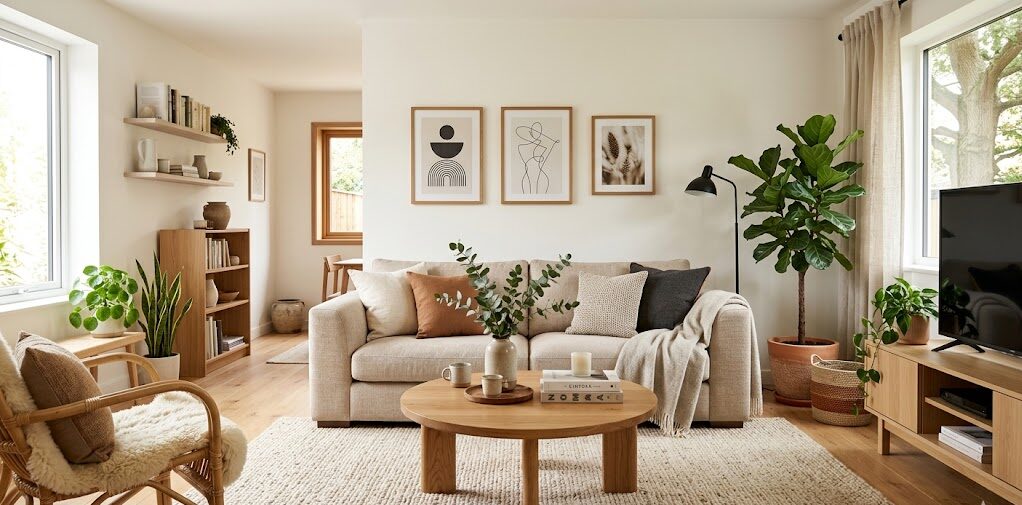
A well-designed home is more than just a beautiful place to live. It reflects your personality, supports your lifestyle, and creates an environment where you can feel comfortable every day. Modern home design has become increasingly popular because it combines simplicity, functionality, and elegance in a way that suits today’s fast-paced lifestyles.
Whether you are building a new home, renovating an existing space, or simply looking for fresh decorating ideas, understanding the principles of modern home design can help you make better decisions. This guide explores practical and stylish ideas that can transform your home into a welcoming and visually appealing space.
What Is Modern Home Design?
Modern home design focuses on clean lines, open spaces, natural light, and functional layouts. Unlike traditional styles that often include heavy decoration and ornate details, modern design embraces simplicity and purpose.
The goal is to create a space that feels uncluttered while remaining comfortable and attractive. Modern homes often feature neutral color palettes, natural materials, and furniture designed with both style and functionality in mind.
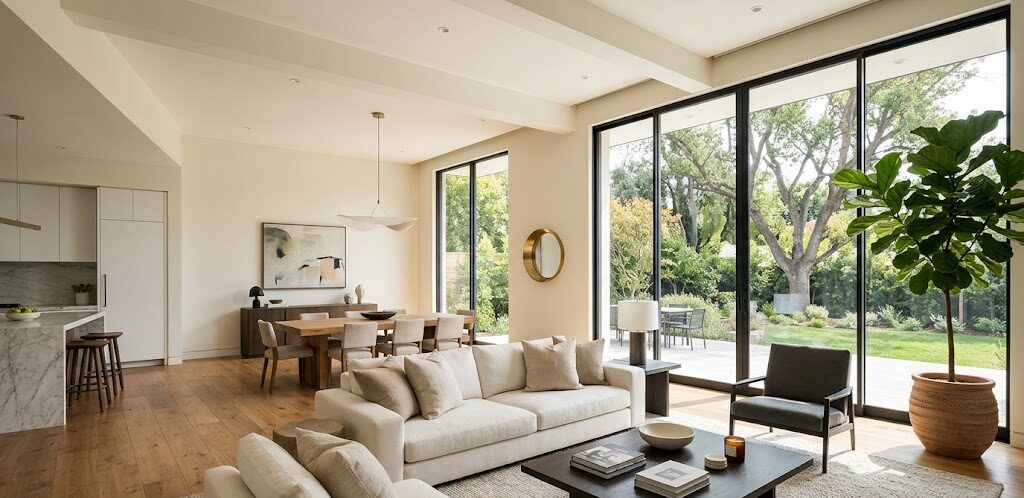
Benefits of Modern Home Design
Modern home design offers several advantages that make it appealing to homeowners.
Improved Functionality
Every element serves a purpose. Furniture, storage solutions, and room layouts are designed to maximize efficiency and comfort.
Better Use of Space
Open floor plans help make rooms feel larger and more connected. This is especially beneficial for smaller homes and apartments.
Easier Maintenance
Minimalist design means fewer decorative items to clean and maintain. Smooth surfaces and practical materials also simplify upkeep.
Timeless Appeal
Modern design trends evolve, but the core principles remain relevant for years. This helps maintain the visual appeal and value of your home.
Start with a Neutral Color Palette
Color plays a significant role in modern home design. Neutral shades create a calm and sophisticated atmosphere.
Popular modern colors include:
- White
- Beige
- Light gray
- Soft taupe
- Cream
- Charcoal
These colors provide a versatile foundation that allows furniture and decorative accents to stand out. You can add personality through artwork, cushions, rugs, and plants without overwhelming the space.
Maximize Natural Light
Natural light is one of the defining features of modern homes. Bright spaces feel more open, inviting, and energetic.
Here are some ways to increase natural light:
- Use large windows whenever possible.
- Choose light-colored curtains.
- Position mirrors strategically to reflect sunlight.
- Keep window areas free from unnecessary obstructions.
- Use glass doors to connect indoor and outdoor spaces.
Natural light not only enhances aesthetics but can also improve mood and reduce energy consumption.
Choose Functional Furniture
Modern furniture combines comfort and practicality with clean, elegant designs.
When selecting furniture:
- Prioritize quality over quantity.
- Look for simple shapes and clean lines.
- Choose pieces with built-in storage.
- Avoid overly decorative furniture.
- Focus on comfort and usability.
A well-chosen sofa, dining table, or bed can become a focal point without dominating the room.
Create an Open Floor Plan
Open layouts remain one of the most popular features of modern homes.
Combining the living room, dining area, and kitchen into a single open space creates better flow and interaction among family members.
Benefits include:
- Improved communication
- Increased natural light
- Greater flexibility
- Enhanced sense of spaciousness
Even in smaller homes, removing unnecessary partitions can dramatically improve the overall feel of the space.
Incorporate Natural Materials
Natural materials add warmth and texture to modern interiors.
Popular choices include:
Wood
Wood flooring, furniture, and wall accents introduce warmth and character.
Stone
Stone countertops and decorative elements create a sophisticated appearance.
Metal
Black steel, brushed nickel, and matte finishes add contemporary appeal.
Glass
Glass surfaces and partitions help maintain an open and airy environment.
Combining these materials creates visual interest while maintaining a clean and balanced design.
Design a Modern Living Room
The living room is often the heart of the home. A modern living room should feel comfortable, inviting, and organized.
Key elements include:
- Comfortable seating
- Simple coffee tables
- Neutral colors
- Layered lighting
- Minimal accessories
- Statement artwork
Avoid overcrowding the room with furniture. Instead, focus on creating a balanced layout that encourages conversation and relaxation.
Modern Kitchen Design Ideas
The kitchen is one of the most important spaces in any home.
Modern kitchens emphasize efficiency and clean aesthetics.
Features to consider include:
Minimalist Cabinets
Flat-panel cabinets create a sleek appearance and reduce visual clutter.
Smart Storage
Pull-out drawers, pantry organizers, and hidden compartments maximize functionality.
Quality Countertops
Quartz and natural stone remain popular choices due to their durability and appearance.
Energy-Efficient Appliances
Modern appliances improve convenience while helping reduce utility costs.
Simple Color Schemes
White, gray, black, and natural wood tones create a timeless kitchen design.
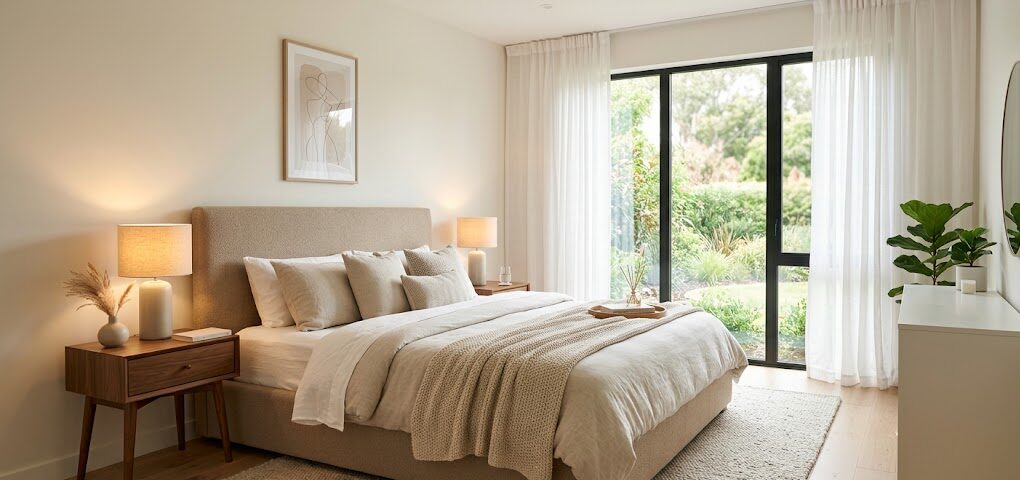
Transform Your Bedroom into a Relaxing Retreat
A bedroom should promote rest and relaxation.
Modern bedroom design focuses on comfort and simplicity.
Tips include:
- Choose calming colors.
- Invest in quality bedding.
- Reduce clutter.
- Use soft lighting.
- Add texture through rugs and fabrics.
- Keep furniture minimal.
The result is a peaceful environment that supports better sleep and overall well-being.
Modern Bathroom Design Tips
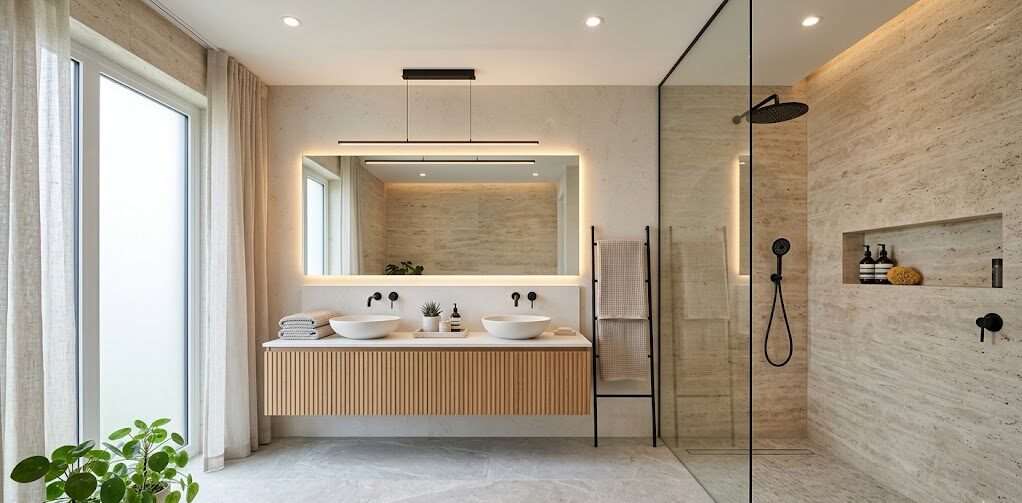
Bathrooms have evolved from purely functional spaces into personal retreats.
Modern bathroom features often include:
- Walk-in showers
- Floating vanities
- Large mirrors
- Neutral colors
- Natural stone finishes
- Efficient storage
Adding plants, candles, or decorative accessories can create a spa-like atmosphere without excessive expense.
Smart Storage Solutions for Modern Homes
Storage is essential for maintaining a clean and organized appearance.
Effective storage ideas include:
- Built-in shelving
- Under-bed storage
- Multi-purpose furniture
- Wall-mounted cabinets
- Hidden storage compartments
The goal is to keep everyday items accessible while minimizing visible clutter.
Bring Nature Indoors
Indoor plants are an easy way to enhance modern interiors.
Benefits include:
- Improved air quality
- Increased visual appeal
- Reduced stress
- Added texture and color
Popular indoor plants include snake plants, pothos, peace lilies, and rubber plants.
Even a few carefully placed plants can make a room feel more vibrant and welcoming.
Use Lighting Strategically
Lighting affects both functionality and atmosphere.
A successful lighting plan combines:
Ambient Lighting
Provides overall illumination for the room.
Task Lighting
Supports activities such as reading, cooking, or working.
Accent Lighting
Highlights artwork, architectural features, or decorative elements.
Layering these lighting types creates a flexible and comfortable environment.
Sustainable Design Practices
Many homeowners are embracing environmentally friendly design choices.
Consider:
- Energy-efficient appliances
- LED lighting
- Sustainable materials
- Water-saving fixtures
- Recycled products
Sustainable design not only benefits the environment but can also reduce long-term costs.
Common Mistakes to Avoid
When designing a modern home, avoid these common mistakes:
Overcrowding Spaces
Too much furniture can make rooms feel cramped and uncomfortable.
Ignoring Functionality
A beautiful space should also meet your daily needs.
Following Trends Blindly
Choose elements that match your lifestyle rather than chasing short-term trends.
Poor Lighting
Insufficient lighting can negatively affect the appearance and functionality of a room.
Lack of Storage
Without adequate storage, clutter can quickly undermine even the best design.
Future Trends in Modern Home Design
Modern home design continues to evolve. Emerging trends include:
- Smart home technology
- Sustainable materials
- Flexible workspaces
- Multi-functional furniture
- Biophilic design
- Wellness-focused interiors
These trends reflect changing lifestyles and the growing importance of comfort, efficiency, and environmental responsibility.
Conclusion
Modern home design is about creating spaces that are beautiful, practical, and comfortable. By focusing on simplicity, functionality, natural light, and thoughtful design choices, you can transform any home into a stylish living environment.
Whether you are updating a single room or redesigning an entire house, the principles of modern design provide a strong foundation for success. Start with small improvements, prioritize quality over quantity, and create a home that reflects your unique lifestyle and personal taste.
Frequently Asked Questions
What are the main characteristics of modern home design?
Modern home design features clean lines, open spaces, neutral colors, natural light, and functional furniture.
How can I make my home look modern on a budget?
Focus on decluttering, repainting walls with neutral colors, improving lighting, and adding simple, functional furniture.
What colors work best in modern interiors?
White, gray, beige, cream, and soft earth tones are popular choices for modern homes.
Is modern design suitable for small homes?
Yes. Modern design principles often make small spaces feel larger, brighter, and more organized.
How important is natural light in modern design?
Natural light is a key feature because it enhances openness, improves mood, and reduces reliance on artificial lighting.