
10 Basement Stairs Ideas: Transform Your Basement Entrance
Basement stairs are more than just a way to move between floors—they’re an essential design feature that affects your home’s safety, functionality, and appearance. Whether you’re remodeling your basement into a family room, home office, gym, or entertainment space, choosing the right basement staircase can dramatically improve both aesthetics and practicality.
From sleek floating staircases to clever under-stair storage solutions, today’s basement stair ideas combine beauty with functionality. This guide explores 13 inspiring basement stairs ideas that fit different budgets, home styles, and space requirements.
Why Basement Stair Design Matters
Many homeowners focus on renovating the basement itself while overlooking the staircase. However, the stairs are the first thing people notice before entering the basement.
A well-designed staircase offers several benefits:
- Improves home safety
- Makes the basement feel more inviting
- Increases property value
- Maximizes available space
- Enhances interior design consistency
- Provides additional storage opportunities
Let’s explore the best basement staircase ideas.
1. Modern Floating Basement Stairs
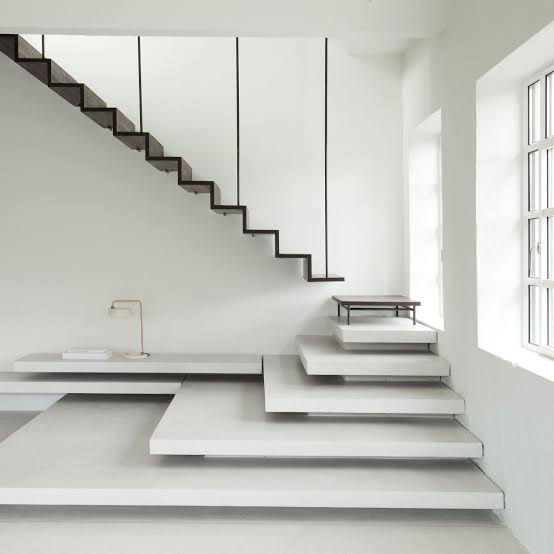
Floating stairs create an open, contemporary appearance by using hidden supports or side-mounted stringers.
Benefits
- Creates a spacious feeling
- Allows more natural light
- Perfect for modern homes
- Elegant minimalist look
Best Materials
- Hardwood treads
- Steel supports
- Glass railings
- Oak or maple finishes
Ideal for: Contemporary and luxury homes.
2. Basement Stairs with Built-In Storage
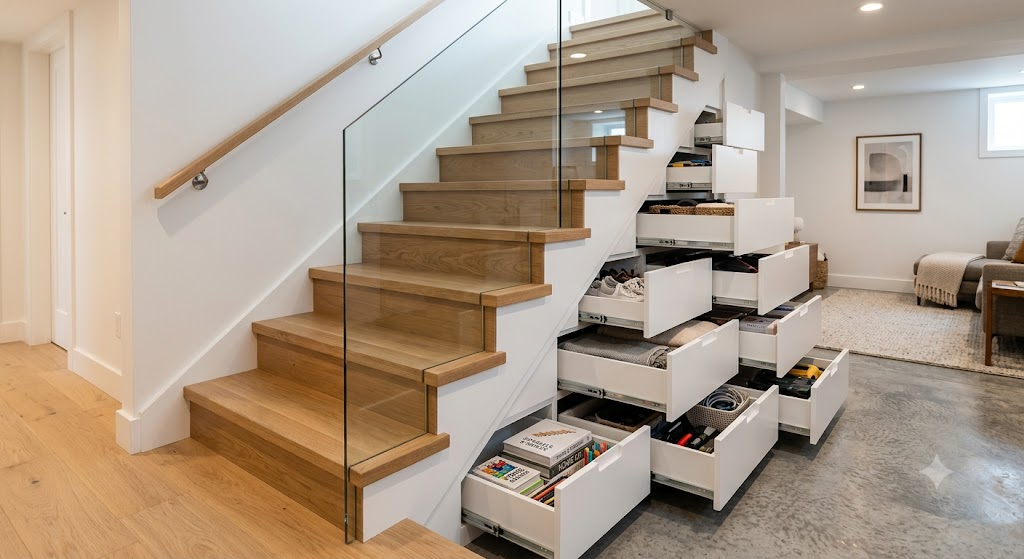
If storage is limited, make every inch count by utilizing the space beneath your stairs.
Storage options include:
- Pull-out drawers
- Shoe storage
- Cleaning supply cabinets
- Wine racks
- Pantry shelves
- Hidden closets
This idea is especially useful for small homes where maximizing space is essential.
3. Rustic Wooden Basement Stairs
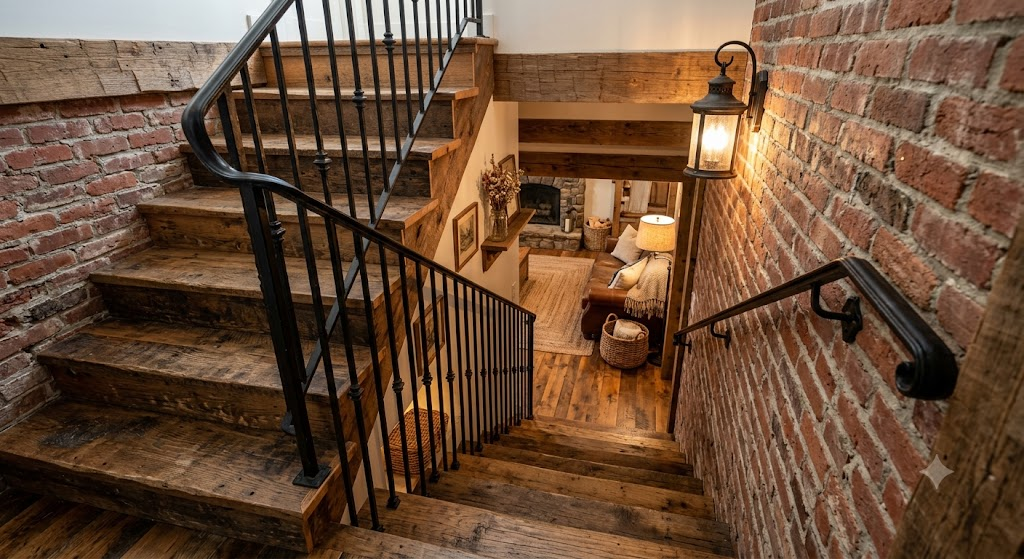
Natural wood creates warmth and character.
Popular wood choices include:
- Oak
- Pine
- Cedar
- Walnut
- Reclaimed barn wood
Pair wooden steps with black iron railings for a timeless farmhouse appearance.
4. Industrial Basement Stair Design
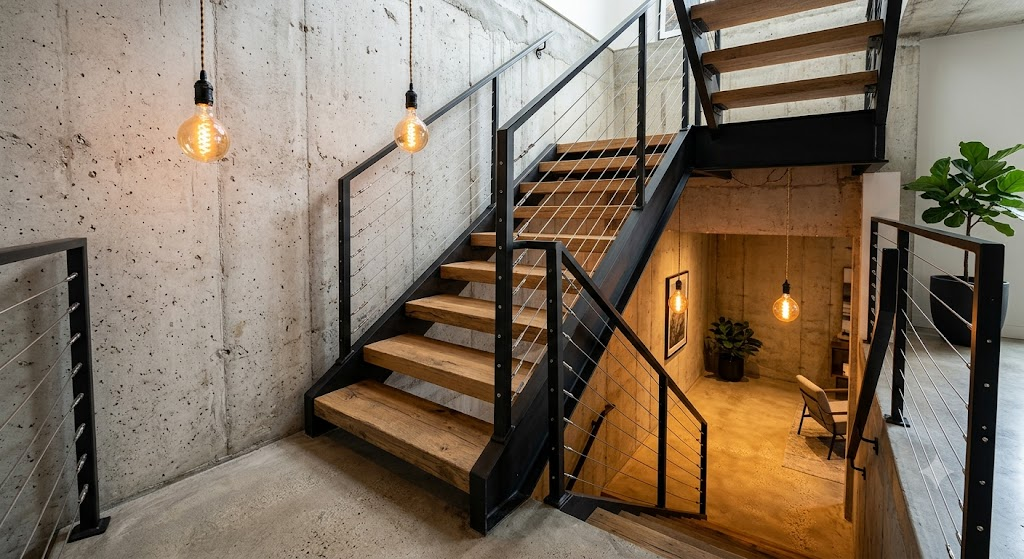
Industrial staircases combine steel, wood, and exposed hardware.
Common features include:
- Black steel framing
- Open risers
- Wood treads
- Cable railings
- Concrete flooring nearby
This style complements loft-inspired interiors.
5. Carpeted Basement Stairs
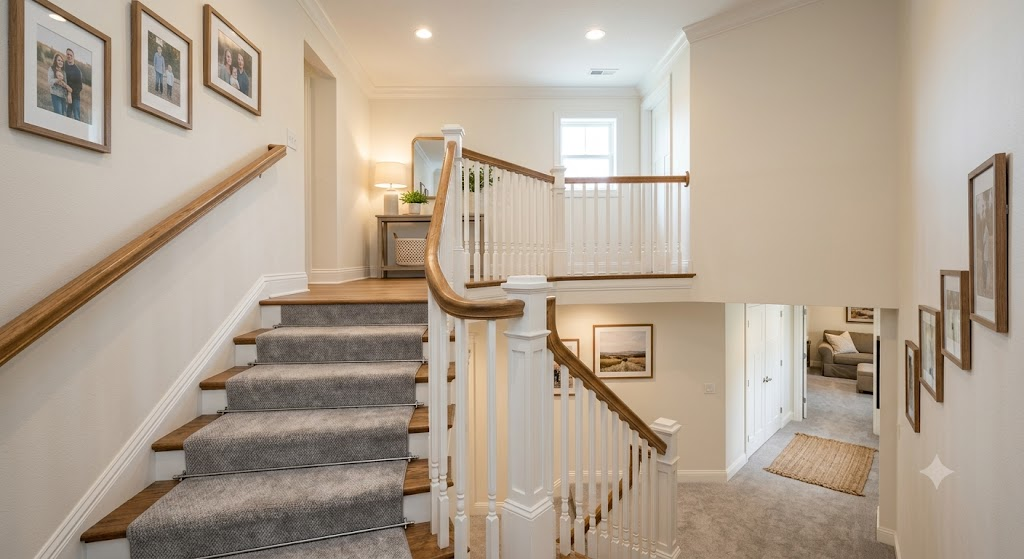
Carpet remains one of the safest choices for basement stairs.
Advantages
- Reduces slipping
- Quieter footsteps
- Warm underfoot
- Comfortable for children
- Pet-friendly
Choose moisture-resistant carpet designed specifically for basement environments.
6. Painted Basement Staircase
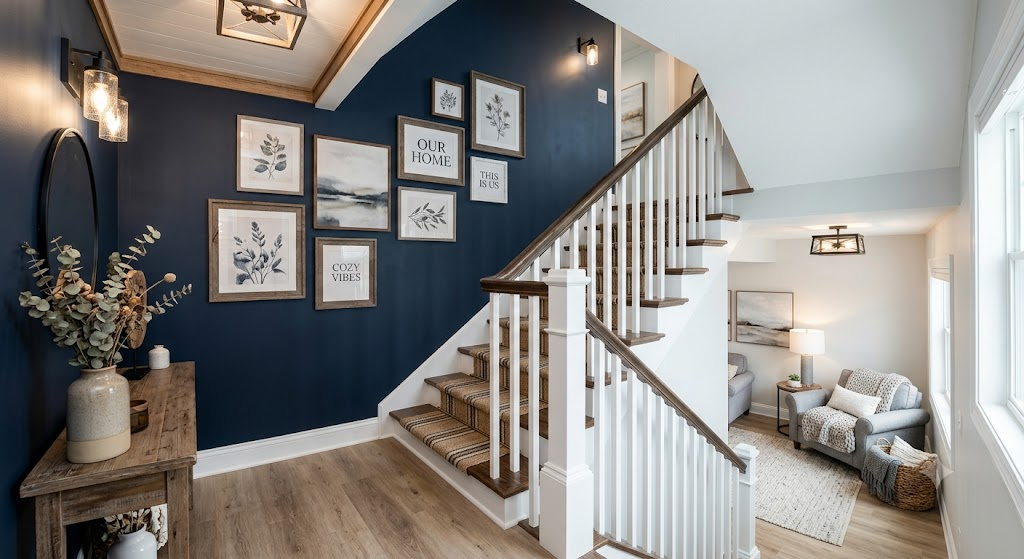
A fresh coat of paint can completely transform an outdated staircase.
Popular colors include:
- White
- Charcoal gray
- Navy blue
- Matte black
- Sage green
Consider painting the risers white while staining the treads for a modern two-tone appearance.
7. Basement Stairs with LED Lighting
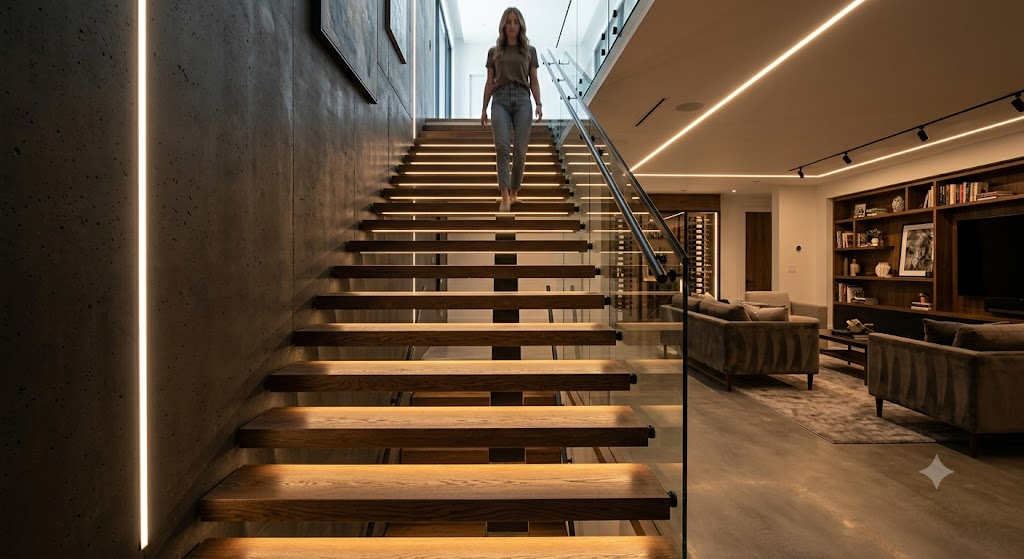
Lighting dramatically improves both safety and style.
Popular lighting ideas include:
- LED strip lights beneath each tread
- Motion-sensor stair lighting
- Wall-mounted sconces
- Recessed sidewall lights
- Smart lighting systems
LED lighting also helps prevent accidents in dark basements.
8. Spiral Basement Staircase
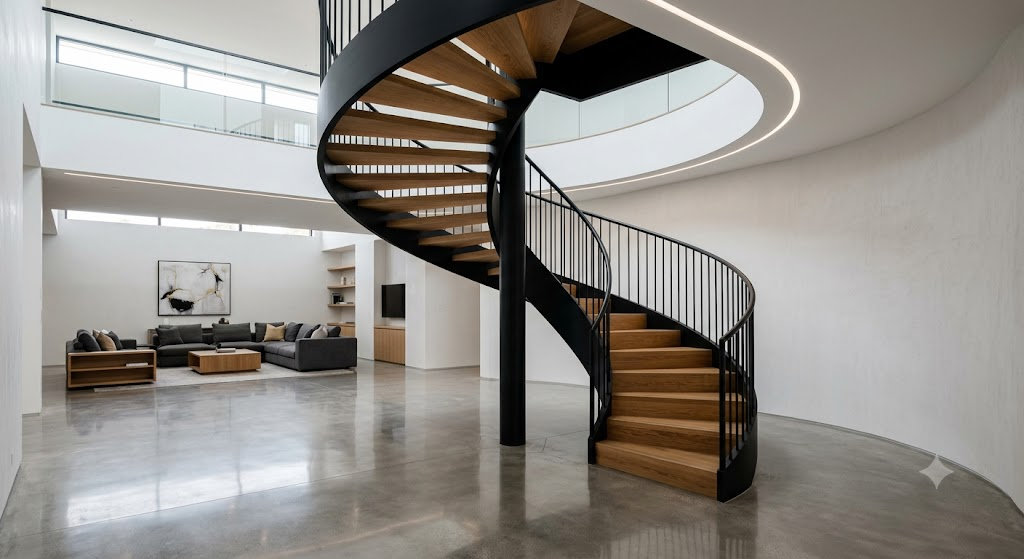
Spiral staircases save considerable floor space.
Benefits
- Small footprint
- Unique architectural feature
- Great for compact homes
- Modern appearance
However, spiral stairs may not be ideal if you frequently carry large furniture into the basement.
9. Glass Railing Basement Stairs
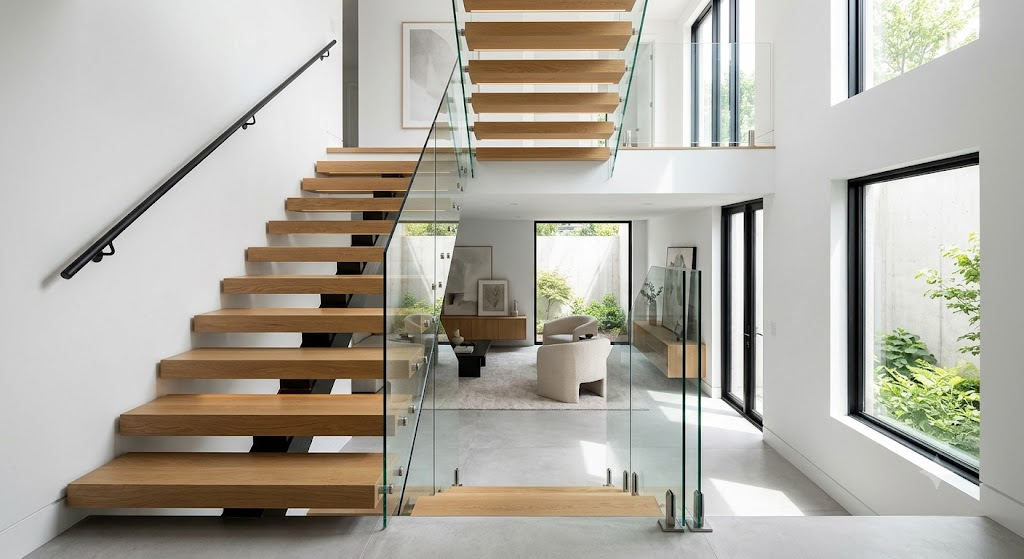
Glass railings instantly create a luxurious appearance.
Advantages include:
- Makes narrow staircases feel larger
- Allows natural light to pass through
- Easy to pair with modern interiors
- Elegant and timeless
Tempered safety glass ensures durability.
10. Open Riser Basement Stairs
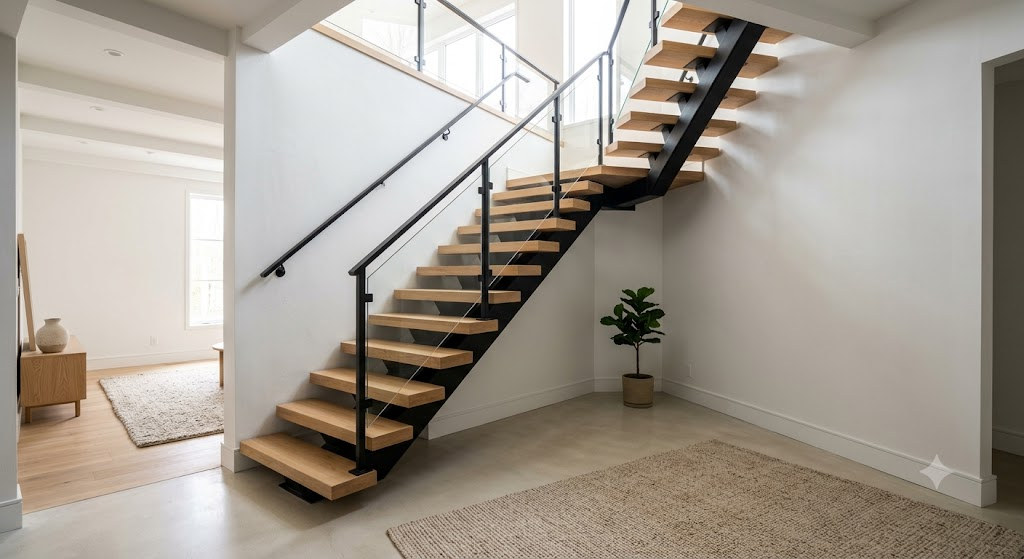
Open risers eliminate the vertical board between each step.
Benefits include:
- More natural light
- Airier appearance
- Modern style
- Makes small spaces appear larger
Ensure your local building codes allow open risers before installation
Best Materials for Basement Stairs
Selecting moisture-resistant materials is especially important for basements.
| Material | Durability | Maintenance | Best For |
|---|---|---|---|
| Oak | Excellent | Low | Traditional homes |
| Maple | Excellent | Low | Modern interiors |
| Pine | Moderate | Medium | Budget projects |
| Steel | Excellent | Low | Industrial style |
| Concrete | Excellent | Very Low | Modern basements |
| Vinyl Treads | High | Very Low | Moisture-prone basements |
Basement Stair Safety Tips
Safety should always come first.
Follow these recommendations:
- Install sturdy handrails on at least one side.
- Use non-slip stair treads.
- Maintain consistent stair height.
- Install bright lighting.
- Repair loose boards immediately.
- Keep stairs clutter-free.
- Use moisture-resistant finishes.
Basement Stair Design Trends for 2026
Current trends include:
- Floating staircases
- Smart LED lighting
- Hidden storage
- Glass railings
- Natural wood finishes
- Black metal accents
- Minimalist handrails
- Sustainable building materials
These trends balance modern aesthetics with long-term functionality.
Frequently Asked Questions
What is the best flooring for basement stairs?
Luxury vinyl, hardwood, carpet, and rubber stair treads are among the most popular options because they provide durability and good traction.
Are carpeted basement stairs safer?
Yes. Carpet generally offers better grip, reduces slipping, and minimizes noise, making it a practical option for homes with children, seniors, or pets.
Can I add storage under basement stairs?
Absolutely. Under-stair space can be converted into drawers, cabinets, shelving, or even a small closet, depending on your staircase design.
What is the standard width for basement stairs?
Most residential basement staircases are around 36 inches (91 cm) wide, though local building codes may vary.
Should basement stairs have lighting?
Yes. Proper lighting improves visibility and reduces the risk of falls. Motion-sensor or LED step lights are popular, energy-efficient choices.
Conclusion
A thoughtfully designed basement staircase can transform your home’s lower level into a welcoming, functional extension of your living space. Whether you prefer the clean lines of floating stairs, the warmth of rustic wood, the practicality of built-in storage, or the affordability of a simple makeover, there’s a solution to suit every home and budget.
Focus on balancing style with safety by using durable materials, adequate lighting, and secure handrails. With the right design choices, your basement stairs can become an attractive architectural feature that enhances both your home’s value and everyday usability.