Top 11 Office Interior Ideas
The modern office has evolved far beyond rows of desks and plain white walls. Today’s workplaces are designed to inspire creativity, improve collaboration, enhance employee well-being, and leave a lasting impression on clients. Whether you’re designing a corporate headquarters, a small startup office, a coworking space, or a home office, choosing the right office interior ideas can significantly impact productivity and overall satisfaction.
A thoughtfully designed office blends aesthetics with functionality. Comfortable furniture, proper lighting, smart storage solutions, carefully selected color palettes, and modern décor all contribute to an environment where employees can perform at their best. Research consistently shows that well-designed workspaces help reduce stress, improve focus, encourage teamwork, and even increase employee retention.
Another important factor is flexibility. Today’s businesses require offices that can easily adapt to changing work styles. Open collaboration zones, private meeting rooms, quiet focus areas, and comfortable breakout spaces all work together to support different tasks throughout the day.
Budget is no longer a major obstacle either. Many impressive office interior ideas can be achieved through strategic planning, affordable materials, DIY décor, and smart furniture choices. Even a small office can feel luxurious with the right combination of lighting, colors, textures, and organization.
In this comprehensive guide, you’ll discover the Top 11 office interior ideas that combine beauty, practicality, and modern design principles. Each idea includes expert recommendations, color suggestions, materials, styling inspiration, maintenance advice, common mistakes to avoid, and practical examples to help you create a workspace that inspires success.
1. Modern Minimalist Office Design
Overview
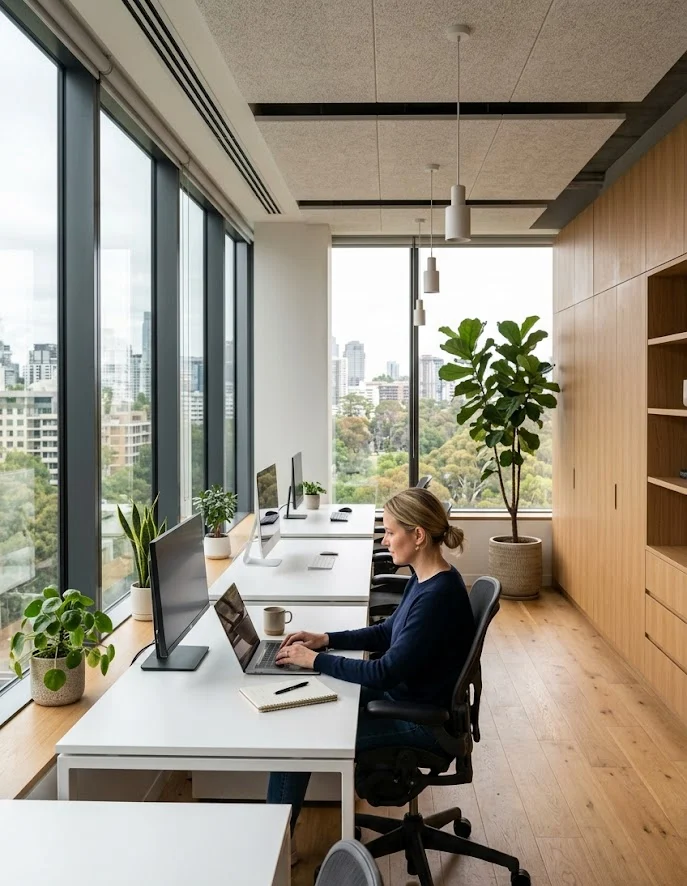
Minimalism remains one of the most popular office interior ideas because it creates a clean, organized, and distraction-free workspace. Instead of filling the office with unnecessary furniture and decorations, minimalist design focuses on functionality, simplicity, and efficiency.
Every piece of furniture has a purpose, while open spaces help create a calm and professional atmosphere.
Benefits
- Reduces visual clutter
- Improves concentration
- Makes offices appear larger
- Easier to clean and maintain
- Creates a professional appearance
- Timeless design that rarely goes out of style
Best Colors
- White
- Light Gray
- Soft Beige
- Matte Black accents
- Warm Wood tones
Best Materials
- Oak wood
- Walnut veneer
- Glass partitions
- Powder-coated steel
- Matte laminate finishes
- Concrete textures
Styling Ideas
Choose sleek desks with hidden cable management, ergonomic office chairs, floating shelves, and subtle decorative accessories. Add one or two indoor plants to soften the clean lines without creating clutter.
Budget Tips
Minimalist interiors don’t require expensive decorations. Invest in quality furniture first and decorate with simple artwork and affordable plants instead of costly accessories.
Expert Recommendations
Professional designers recommend maintaining plenty of open floor space. Good circulation improves both aesthetics and employee comfort.
Mistakes to Avoid
- Buying oversized furniture
- Using too many decorative items
- Poor cable management
- Ignoring storage needs
- Choosing uncomfortable seating
Maintenance
Dust surfaces regularly, organize cables monthly, and avoid accumulating unnecessary office supplies.
Best For
- Corporate offices
- Startups
- Home offices
- Creative agencies
- Consulting firms
Practical Example
A software company transforms its office using white desks, black ergonomic chairs, hidden storage cabinets, warm oak flooring, and glass meeting rooms. The result is a bright, organized workspace that promotes productivity.
Current Trends
- Hidden storage
- Wireless charging desks
- Frameless glass walls
- Neutral color palettes
- Acoustic wall panels
2. Biophilic Office Interior Design
Overview
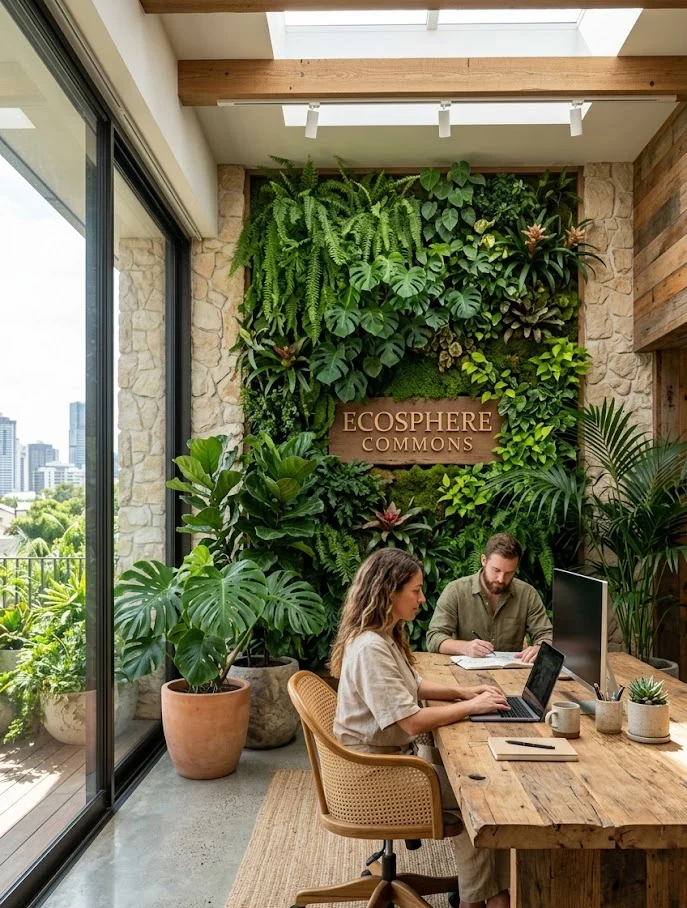
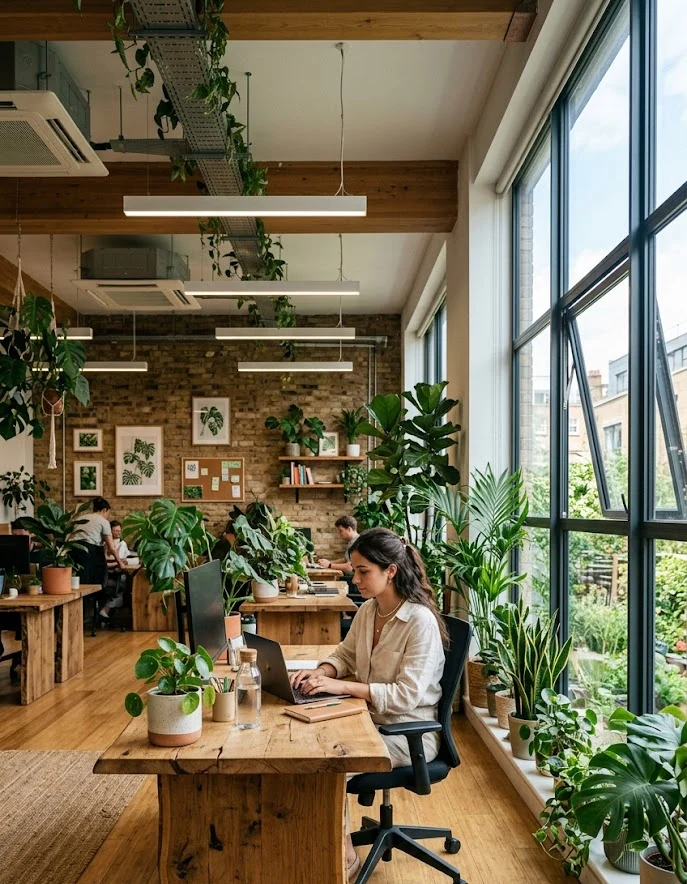
Biophilic design connects people with nature by incorporating plants, natural materials, sunlight, water features, and organic textures into office interiors. It is one of the fastest-growing workplace design trends worldwide.
Benefits
- Reduces workplace stress
- Improves air quality
- Boosts creativity
- Enhances employee wellness
- Creates relaxing work environments
- Increases workplace satisfaction
Best Colors
- Forest Green
- Olive Green
- Earth Brown
- Sand Beige
- White
- Natural Wood
Best Materials
- Bamboo
- Reclaimed wood
- Stone
- Cork
- Natural fabrics
- Live plants
Styling Ideas
Install vertical gardens behind reception desks, place large indoor trees in corners, use wooden furniture, and maximize natural sunlight through large windows.
Budget Tips
Start with affordable indoor plants such as pothos, snake plants, ZZ plants, and peace lilies before investing in expensive living walls.
Expert Recommendations
Mix plants of different heights to create depth and visual interest while maintaining easy maintenance.
Mistakes to Avoid
- Choosing high-maintenance plants
- Blocking natural sunlight
- Overwatering greenery
- Ignoring ventilation
Maintenance
Schedule weekly plant care, clean leaves regularly, and replace unhealthy plants promptly.
Best For
- Creative agencies
- Architecture firms
- Wellness companies
- Home offices
- Modern startups
Practical Example
An advertising agency creates a relaxing atmosphere with hanging plants, reclaimed wood desks, moss walls, and abundant natural light, helping employees feel refreshed throughout the workday.
Current Trends
- Living green walls
- Moss art
- Wooden acoustic panels
- Indoor gardens
- Sustainable décor
3. Industrial Style Office Interior
Overview
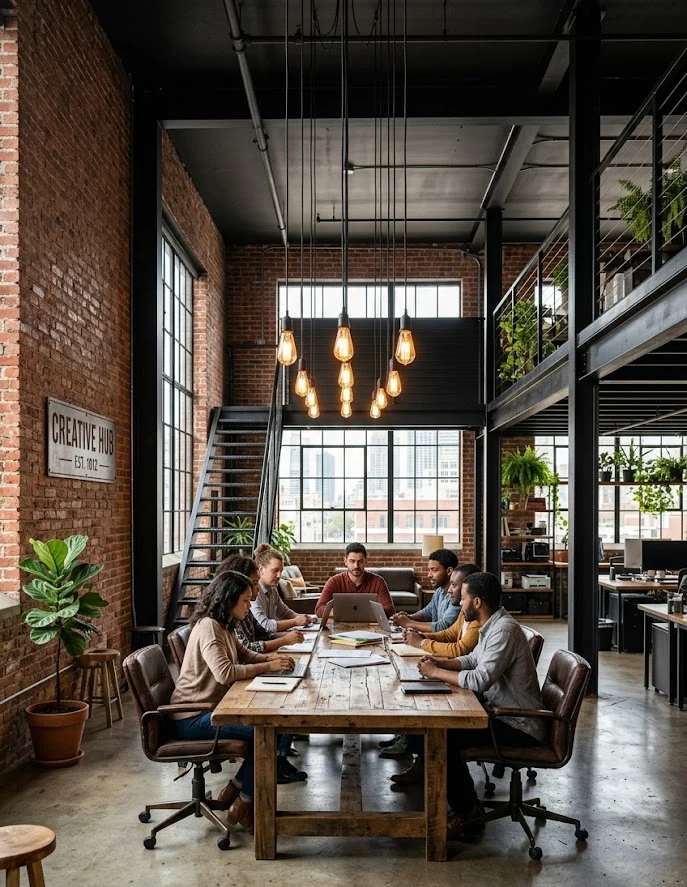
Industrial office interiors combine exposed architectural elements with modern furnishings to create a bold, urban appearance. Inspired by converted warehouses and loft spaces, this style emphasizes raw materials and open layouts.
Benefits
- Highly durable
- Modern urban aesthetic
- Easy maintenance
- Flexible layouts
- Excellent for collaborative workspaces
Best Colors
- Charcoal Gray
- Black
- Brick Red
- Warm Brown
- Concrete Gray
Best Materials
- Exposed brick
- Concrete
- Steel
- Black metal
- Reclaimed wood
- Glass
Styling Ideas
Use black metal shelving, exposed ceiling pipes, Edison pendant lights, wooden conference tables, and leather seating.
Budget Tips
Concrete-look wallpaper and faux brick panels provide the industrial look without expensive renovations.
Expert Recommendations
Balance raw materials with warm lighting and wood accents to avoid creating a cold atmosphere.
Mistakes to Avoid
- Poor lighting
- Excessive dark colors
- Too much exposed concrete
- Lack of acoustic treatment
Maintenance
Seal exposed brick when needed, dust metal surfaces regularly, and inspect industrial lighting fixtures.
Best For
- Tech companies
- Design studios
- Marketing agencies
- Photography offices
Practical Example
A digital agency converts an old warehouse into an industrial office featuring exposed brick walls, black steel partitions, reclaimed wood meeting tables, and vintage lighting.
Current Trends
- Matte black finishes
- Steel-framed glass walls
- Concrete flooring
- Oversized pendant lighting
4. Scandinavian Office Design
Overview
Scandinavian office interiors focus on simplicity, comfort, natural light, and functional beauty. This timeless design style creates welcoming workspaces that feel bright, organized, and comfortable throughout the year.
Benefits
- Bright interiors
- Comfortable working environment
- Excellent space efficiency
- Timeless style
- Encourages productivity
Best Colors
- White
- Cream
- Soft Gray
- Light Oak
- Pale Blue
Best Materials
- Light oak wood
- Wool
- Cotton
- Linen
- Glass
- Natural leather
Styling Ideas
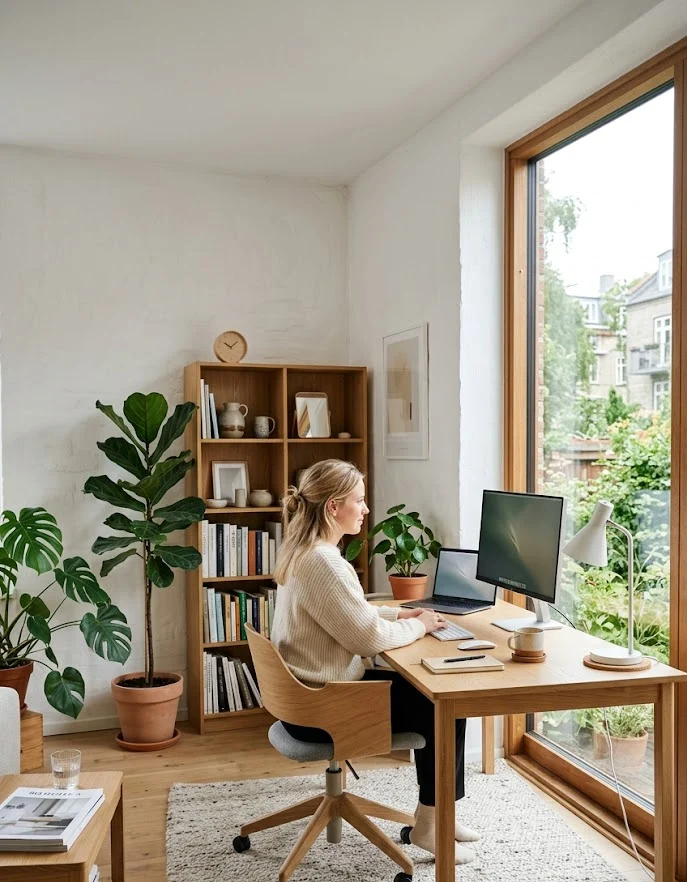
Choose light wood desks, white shelving, ergonomic seating, woven rugs, soft lighting, and minimalist artwork.
Budget Tips
Use IKEA-style furniture, neutral paint colors, and affordable woven accessories to recreate the Scandinavian aesthetic.
Expert Recommendations
Prioritize natural light. If windows are limited, use layered lighting with warm LED fixtures.
Mistakes to Avoid
- Too much white without texture
- Poor lighting
- Overdecorating
- Cheap plastic furniture
Maintenance
Clean wood furniture with appropriate polish, vacuum rugs weekly, and maintain clutter-free work surfaces.
Best For
- Home offices
- Small businesses
- Freelancers
- Consulting firms
- Design studios
Practical Example
A financial consulting office combines white walls, oak desks, cozy seating, woven rugs, indoor plants, and soft lighting to create a calm yet professional environment.
Current Trends
- Curved furniture
- Sustainable wood
- Organic textures
- Smart lighting
- Soft neutral palettes
5. Open-Concept Collaborative Office
Overview
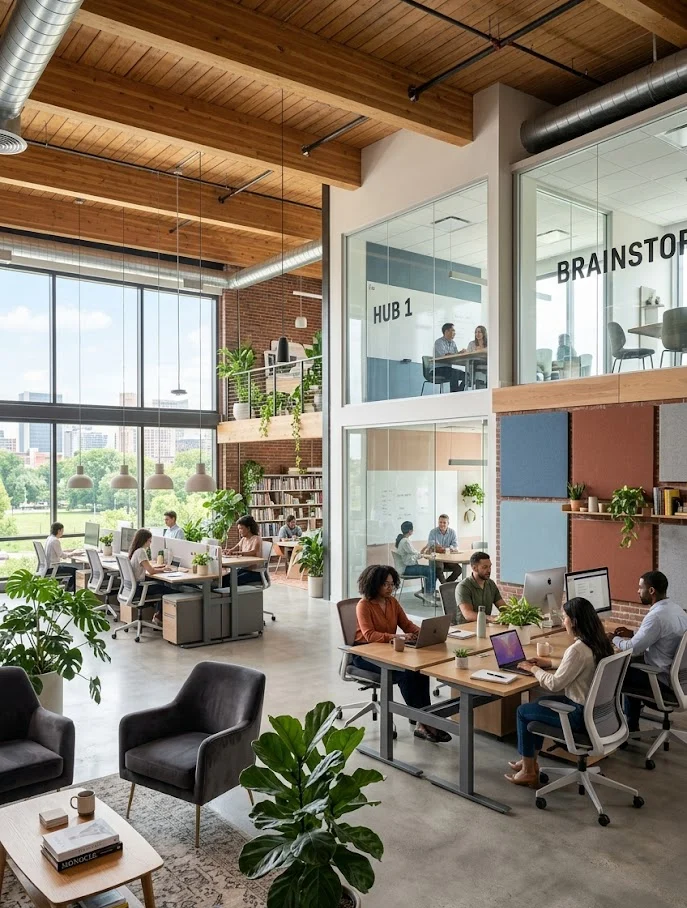
Open-concept offices are designed to encourage communication, teamwork, and flexibility. Instead of separating employees with permanent walls and enclosed cubicles, this layout uses shared workstations, collaborative tables, lounge seating, and flexible meeting areas. When planned correctly, an open office improves interaction while still offering designated quiet spaces for focused work.
The key to a successful open office is balance. Employees should have opportunities to collaborate without constantly being distracted by noise or movement.
Benefits
- Encourages teamwork
- Improves communication
- Makes better use of available space
- Creates a modern workplace
- Supports flexible work arrangements
- Easier to reconfigure as teams grow
Best Colors
- White
- Soft Gray
- Navy Blue accents
- Sage Green
- Warm Wood tones
Best Materials
- Glass partitions
- Acoustic fabric panels
- Engineered wood
- Steel frames
- Modular furniture
- Durable carpet tiles
Styling Ideas
Create different zones within the office, including collaborative tables, casual lounge seating, phone booths for private calls, quiet work pods, and informal coffee corners. Use area rugs, lighting, and furniture placement to define each space without building walls.
Budget Tips
Instead of custom-built workstations, purchase modular desks that can be rearranged as your business grows. Portable whiteboards and movable partitions are also cost-effective additions.
Expert Recommendations
Combine open workspaces with sound-absorbing materials such as acoustic ceiling panels, upholstered furniture, rugs, and fabric dividers to reduce noise.
Mistakes to Avoid
- Too many desks packed together
- No private meeting areas
- Poor acoustic planning
- Insufficient electrical outlets
- Ignoring employee privacy
Maintenance
Regularly reorganize shared spaces, inspect furniture connections, and clean communal areas daily to maintain a professional appearance.
Best For
- Startups
- Technology companies
- Marketing agencies
- Sales teams
- Coworking spaces
Practical Example
A growing software startup replaces traditional cubicles with shared workstations, movable desks, comfortable lounge seating, glass meeting rooms, and soundproof phone booths. Employees collaborate more effectively while still having access to quiet spaces when needed.
Current Trends
- Flexible work zones
- Modular furniture
- Acoustic phone booths
- Wireless charging stations
- Height-adjustable shared desks
6. Luxury Executive Office Interior
Overview
Executive offices should communicate professionalism, confidence, and leadership while remaining comfortable and functional. Luxury doesn’t necessarily mean excessive decoration—it means selecting premium materials, elegant furniture, sophisticated lighting, and refined details that create an impressive workspace.
A well-designed executive office also provides privacy for confidential meetings while offering a welcoming atmosphere for clients and business partners.
Benefits
- Creates a prestigious image
- Impresses clients
- Provides maximum comfort
- Supports focused decision-making
- Adds long-term value to the workplace
Best Colors
- Deep Navy
- Charcoal
- Walnut Brown
- Cream
- Black
- Gold accents
Best Materials
- Solid walnut wood
- Marble
- Genuine leather
- Brass hardware
- Tempered glass
- High-quality veneer
Styling Ideas
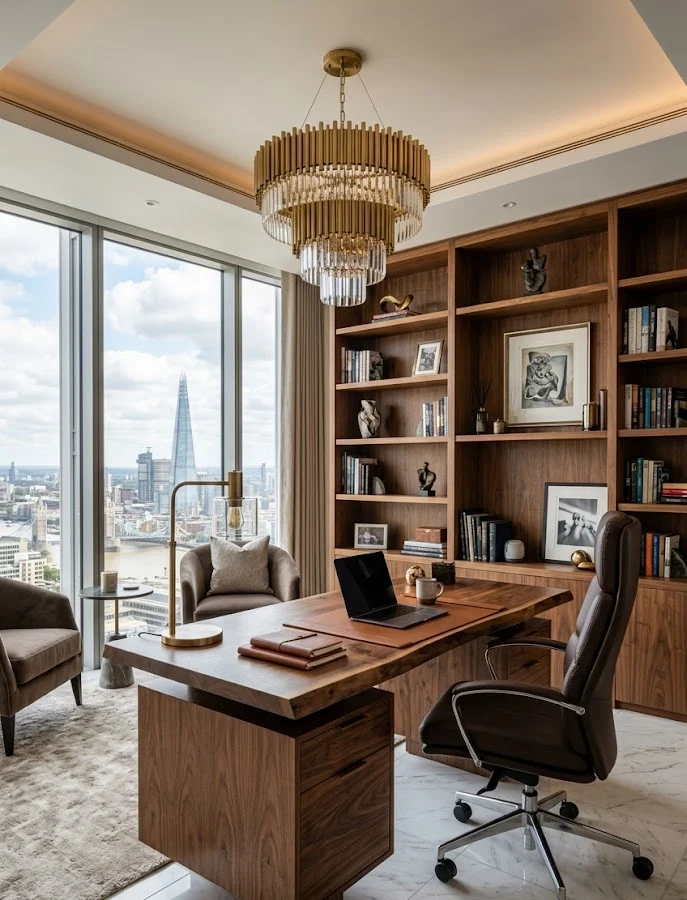
Use a large executive desk, custom bookshelves, statement lighting, luxury office chairs, elegant artwork, and decorative accessories that reflect the company’s identity.
Budget Tips
Instead of purchasing expensive marble, use marble-look porcelain surfaces. High-quality veneer furniture can also provide a premium appearance at a lower cost.
Expert Recommendations
Invest in ergonomic executive seating and proper lighting. Even luxurious furniture should prioritize comfort and productivity.
Mistakes to Avoid
- Excessive decoration
- Oversized furniture in small rooms
- Poor lighting
- Cheap accessories mixed with premium furniture
- Ignoring storage organization
Maintenance
Condition leather furniture regularly, polish wood surfaces, clean glass partitions, and inspect lighting fixtures for consistent performance.
Best For
- CEOs
- Directors
- Law firms
- Financial offices
- Corporate headquarters
Practical Example
A law firm’s executive office features walnut cabinetry, marble-inspired flooring, leather seating, a statement chandelier, and custom shelving that creates a sophisticated yet functional workspace.
Current Trends
- Fluted wood panels
- Integrated LED shelving
- Minimal luxury
- Smart office technology
- Matte brass accents
7. Smart Technology Office
Overview
Modern workplaces increasingly integrate smart technology to improve efficiency, convenience, and sustainability. From automated lighting and climate control to wireless charging and smart meeting rooms, technology has become a key component of office interior design.
A smart office creates a seamless work experience while reducing operational costs through energy-efficient systems.
Benefits
- Increases productivity
- Saves energy
- Improves convenience
- Enhances security
- Supports hybrid work
- Future-proofs the office
Best Colors
- White
- Black
- Graphite Gray
- Metallic Silver
- Electric Blue accents
Best Materials
- Glass
- Aluminum
- High-gloss laminates
- Engineered wood
- Smart glass
- Metal finishes
Styling Ideas
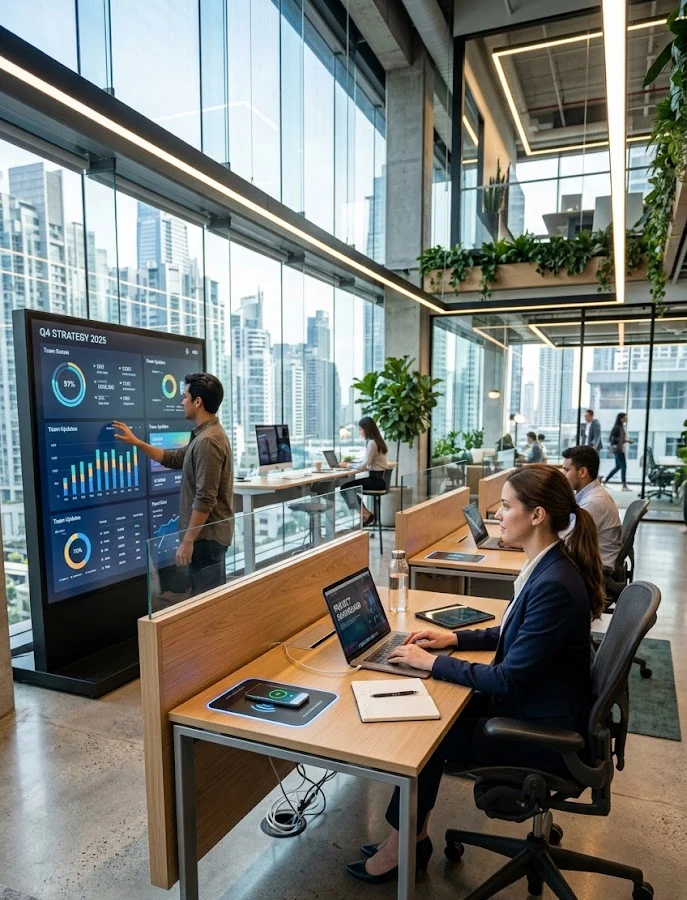
Install automated blinds, touchless lighting controls, wireless charging desks, interactive digital displays, and integrated cable management systems.
Budget Tips
Start with smart lighting, wireless chargers, and programmable thermostats before investing in advanced automation systems.
Expert Recommendations
Choose technology that is easy to upgrade over time instead of installing proprietary systems that quickly become outdated.
Mistakes to Avoid
- Overcomplicating the system
- Poor cable organization
- Ignoring cybersecurity
- Buying incompatible devices
- Neglecting backup power solutions
Maintenance
Update software regularly, inspect electrical systems, clean digital displays, and replace outdated equipment when necessary.
Best For
- IT companies
- Tech startups
- Engineering firms
- Innovation centers
- Corporate offices
Practical Example
A technology company equips every workstation with wireless charging, automated lighting, digital room scheduling displays, and smart climate control, creating a highly efficient workplace.
Current Trends
- AI-powered meeting rooms
- Voice-controlled lighting
- Wireless workplaces
- Smart security systems
- Energy-efficient automation
8. Eco-Friendly Sustainable Office Design
Overview
Sustainability has become one of the most important priorities in commercial interior design. Eco-friendly offices reduce environmental impact while creating healthier workplaces for employees. Sustainable design focuses on renewable materials, energy-efficient lighting, recycled furniture, and environmentally responsible construction practices.
Beyond environmental benefits, sustainable offices often lower operating costs through reduced energy and maintenance expenses.
Benefits
- Lower utility bills
- Healthier indoor environment
- Reduced environmental impact
- Improved company reputation
- Better employee satisfaction
- Long-term cost savings
Best Colors
- Earth Brown
- Olive Green
- Soft White
- Clay Beige
- Natural Wood tones
Best Materials
- Bamboo
- Cork
- Recycled wood
- Recycled metal
- Organic fabrics
- Low-VOC paint
Styling Ideas
Incorporate recycled furniture, energy-efficient LED lighting, reclaimed wood accents, indoor plants, natural ventilation, and reusable decorative elements.
Budget Tips
Refinish existing furniture instead of replacing it. LED lighting upgrades and recycled décor often provide excellent value while reducing long-term costs.
Expert Recommendations
Whenever possible, source furniture from manufacturers that use certified sustainable materials and environmentally responsible production methods.
Mistakes to Avoid
- Buying low-quality recycled products
- Ignoring insulation
- Poor natural ventilation
- Excessive artificial lighting
- Overlooking long-term durability
Maintenance
Maintain HVAC systems, replace air filters regularly, care for indoor plants, and monitor energy usage to maximize efficiency.
Best For
- Green businesses
- Educational institutions
- Healthcare offices
- Architecture firms
- Environmentally conscious companies
Practical Example
A design studio renovates its office using reclaimed wood furniture, bamboo flooring, LED lighting, recycled décor, and solar-powered energy systems, creating an attractive and environmentally responsible workspace.
Current Trends
- Carbon-neutral offices
- Solar-powered workspaces
- Recycled acoustic panels
- Sustainable furniture
- Green certifications
9. Home Office Interior for Maximum Productivity
Overview
With remote and hybrid work becoming the norm, a dedicated home office is no longer a luxury—it’s a necessity. A well-designed home office should support productivity while blending seamlessly with the rest of your home. Even a small corner can become an efficient workspace when designed thoughtfully.
The ideal home office combines ergonomic furniture, sufficient storage, natural lighting, and personalized décor that motivates you without creating distractions.
Benefits
- Increases productivity
- Creates better work-life balance
- Reduces distractions
- Improves comfort during long work hours
- Makes virtual meetings look professional
- Maximizes available space
Best Colors
- Soft White
- Warm Beige
- Sage Green
- Light Gray
- Dusty Blue
Best Materials
- Solid wood desks
- Engineered wood shelving
- Metal frames
- Linen curtains
- Glass desk accessories
- Natural fiber rugs
Styling Ideas
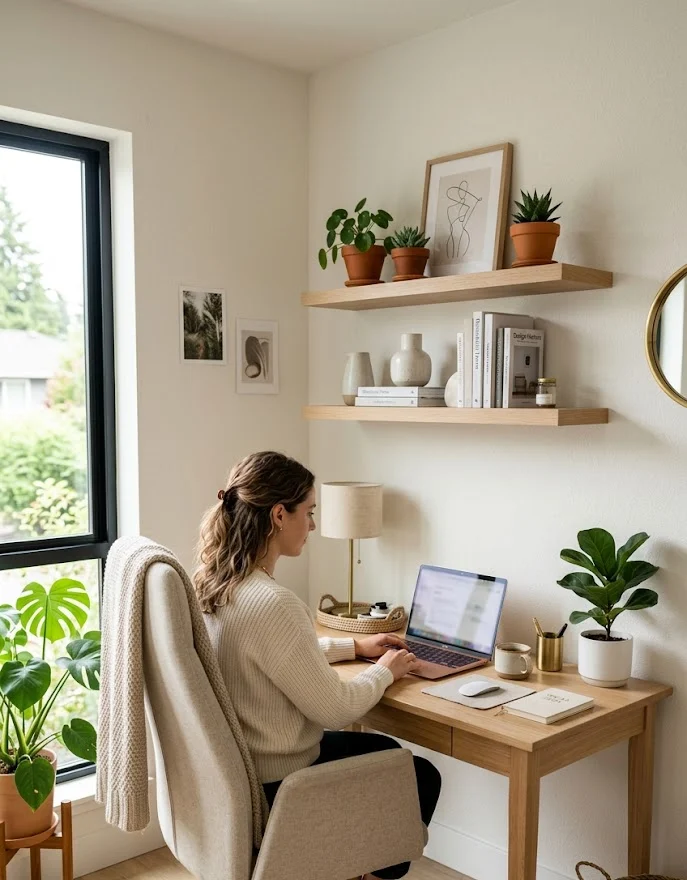
Position the desk near a window for natural light. Add floating shelves, framed artwork, indoor plants, cable organizers, and an ergonomic chair. A neutral backdrop also creates a clean appearance for video calls.
Budget Tips
Repurpose existing furniture, install affordable floating shelves, use peel-and-stick wallpaper as an accent wall, and decorate with inexpensive plants and desk accessories.
Expert Recommendations
Invest in an ergonomic chair before spending money on decorative items. Comfort has a greater impact on productivity than expensive décor.
Mistakes to Avoid
- Working from the sofa or bed
- Poor lighting
- Ignoring posture
- Visible cable clutter
- Overdecorating a small space
Maintenance
Keep the workspace organized daily, dust electronics regularly, and avoid using the office area for household storage.
Best For
- Remote employees
- Freelancers
- Entrepreneurs
- Students
- Consultants
Practical Example
A spare bedroom is transformed into a productive office with a light oak desk, ergonomic chair, floating shelves, indoor plants, and a calming sage-green accent wall, creating a comfortable and inspiring workspace.
Current Trends
- Multifunctional furniture
- Compact workstations
- Built-in shelving
- Video-call-friendly backgrounds
- Hidden storage solutions
10. Creative Office with Bold Accent Colors
Overview
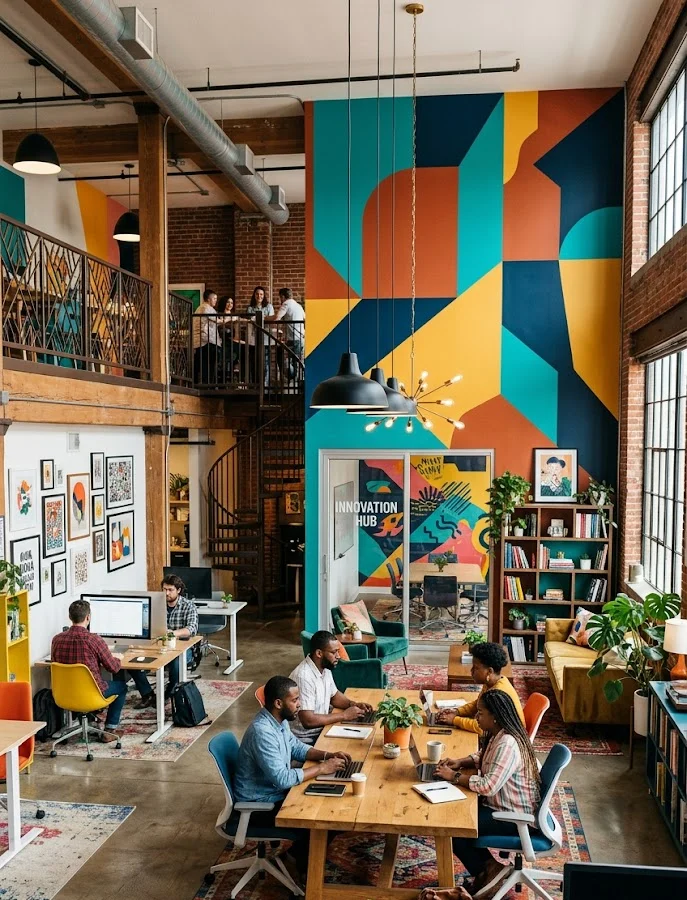
Creative businesses thrive in environments that inspire imagination and innovation. Introducing bold accent colors into an otherwise neutral office creates energy without overwhelming the space. Strategic use of color can stimulate creativity, encourage collaboration, and reinforce brand identity.
Rather than painting every wall in bright colors, combine neutral backgrounds with colorful furniture, artwork, or feature walls for a balanced look.
Benefits
- Inspires creativity
- Reflects company personality
- Improves employee engagement
- Makes the office memorable
- Encourages innovation
Best Colors
- Mustard Yellow
- Emerald Green
- Terracotta
- Deep Blue
- Coral
- Burnt Orange
Best Materials
- Painted feature walls
- Upholstered seating
- Powder-coated metal
- Natural wood
- Glass
- Fabric acoustic panels
Styling Ideas
Use colorful breakout areas, artistic wall murals, designer lighting, creative furniture, and branded graphics to give the office a unique identity.
Budget Tips
Refresh the office with colorful paint, affordable artwork, decorative cushions, and vibrant office accessories instead of replacing all the furniture.
Expert Recommendations
Apply the 60-30-10 color rule: 60% neutral colors, 30% secondary tones, and 10% bold accents for visual harmony.
Mistakes to Avoid
- Using too many bright colors
- Ignoring brand consistency
- Poor lighting that distorts colors
- Clashing furniture styles
- Excessive wall decorations
Maintenance
Touch up painted walls when needed, clean colorful upholstery regularly, and rotate decorative items to keep the office looking fresh.
Best For
- Marketing agencies
- Advertising firms
- Graphic design studios
- Media companies
- Creative startups
Practical Example
A branding agency combines white walls with navy furniture, mustard lounge chairs, colorful wall art, and custom neon signage to create an energetic environment that reflects its creative culture.
Current Trends
- Color-blocked interiors
- Branded feature walls
- Artistic ceiling designs
- Statement lighting
- Flexible collaboration zones
11. Multi-Functional Office with Flexible Spaces
Overview
As businesses continue to evolve, flexibility has become one of the most valuable aspects of office design. Multi-functional offices allow a single area to serve multiple purposes throughout the day, making the most of available space while supporting different work styles.
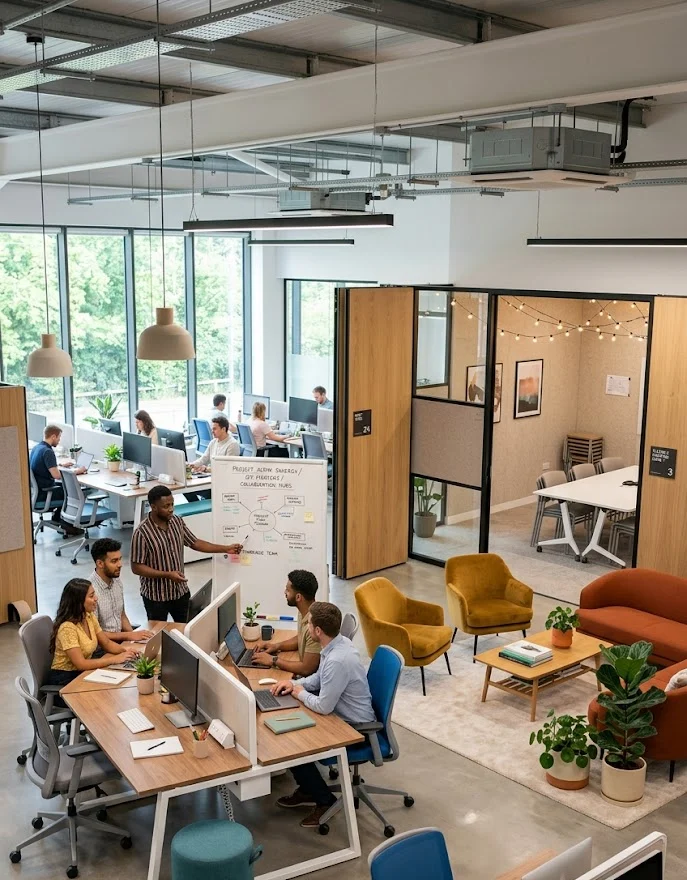
These offices include movable furniture, modular partitions, foldable tables, adaptable meeting areas, and flexible seating arrangements that can be reconfigured quickly.
Benefits
- Maximizes available space
- Supports hybrid work
- Easily adapts to business growth
- Reduces renovation costs
- Encourages collaboration
- Increases workplace efficiency
Best Colors
- Warm White
- Light Gray
- Navy Blue
- Natural Oak
- Soft Green
Best Materials
- Modular furniture
- Glass partitions
- Lightweight aluminum
- Engineered wood
- Acoustic fabrics
- Durable laminate surfaces
Styling Ideas
Use movable whiteboards, foldable meeting tables, mobile storage cabinets, stackable chairs, and flexible lounge seating to create spaces that can change as needed.
Budget Tips
Choose modular furniture that serves multiple purposes instead of purchasing separate pieces for every function.
Expert Recommendations
Plan the office layout around employee workflows rather than furniture placement alone. Flexibility should improve productivity—not create confusion.
Mistakes to Avoid
- Buying fixed furniture
- Poor storage planning
- Narrow walkways
- Ignoring accessibility
- Overcrowding the space
Maintenance
Inspect movable furniture regularly, tighten hardware, clean wheels on mobile storage units, and reorganize spaces based on changing business needs.
Best For
- Growing businesses
- Coworking spaces
- Startups
- Educational institutions
- Small offices
Practical Example
A consulting company installs modular desks, folding conference tables, mobile partitions, and flexible seating, allowing the office to transition from individual workstations to training rooms within minutes.
Current Trends
- Modular office systems
- Mobile meeting pods
- Flexible furniture
- Hybrid collaboration spaces
- Smart space planning
Conclusion
Designing an exceptional workplace is about much more than choosing attractive furniture. The best office interiors combine functionality, comfort, efficiency, and visual appeal to create an environment where people can perform at their highest level. Whether you prefer the clean simplicity of minimalist design, the calming influence of biophilic interiors, the bold character of industrial spaces, or the adaptability of flexible work environments, every design choice should support your team’s daily needs and long-term goals.
Start by evaluating your available space, workflow, company culture, and budget. Prioritize ergonomic furniture, quality lighting, smart storage, and durable materials before investing in decorative elements. Small improvements—such as adding indoor plants, upgrading lighting, improving organization, or introducing an accent wall—can make a remarkable difference without requiring a complete renovation.
As workplace trends continue to evolve, offices that embrace flexibility, sustainability, employee wellness, and smart technology will remain attractive, productive, and future-ready. By applying the ideas shared in this guide, you can create a workspace that not only looks impressive but also inspires creativity, enhances collaboration, and supports long-term business success.